B2B E-Invoicing

Learning from Global B2B and B2C E-Invoicing Success Stories

Reading Time: 8 min.
Elena Ruseykina
Image

E-invoicing is no longer just a compliance upgrade. Around the world, it has become a proven fiscal tool that delivers measurable gains in revenue collection, fraud reduction, and operational efficiency. 

From Latin America’s clearance models to Europe’s structured reporting frameworks and digital cash register systems in the Caucasus, governments have demonstrated that both B2B and B2C e-invoicing can produce significant economic impact

Let’s look at what the data tells us, how organizations can apply these lessons locally, and why traceCORE B2B and B2C E-Invoicing systems are worth considering as strategic, future-ready solutions for scalable compliance and sustainable revenue growth. 

 
What Is E-Invoicing?  

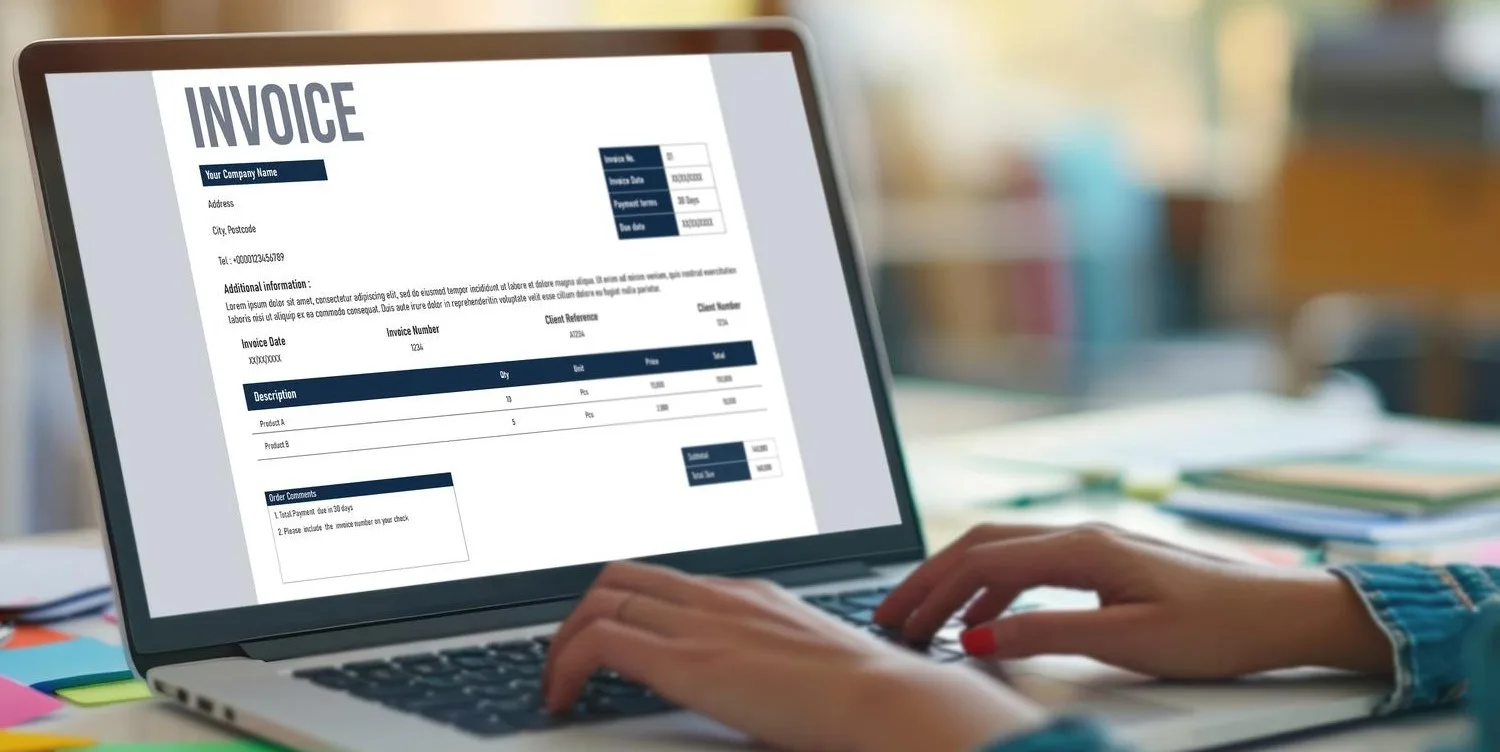
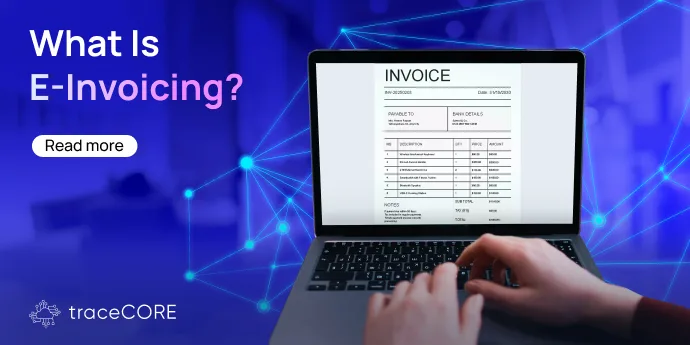
E-invoicing is a process of digital creation, exchange, and processing of invoices in a structured electronic format (not just PDFs or scans). 

  • B2B e-invoicing applies to transactions between legal entities and VAT-registered entrepreneurs. It automates invoice issuance, VAT calculation, tax accrual, and reporting, ensuring that transaction data is accurately captured and transmitted for compliance purposes. 

  • B2C e-invoicing applies to transactions between businesses and consumers. This typically involves digital receipts or online cash register systems that transmit sales data to tax authorities in real time or near real time. 

Check out this post in our blog to learn more about what e-invoicing is. 
 

How Does E-Invoicing Work? 

  1. The invoice is generated in a structured digital format. 

  1. It is validated (either by the system or tax authority). 

  1. It is transmitted electronically to the buyer and, where required, to the tax authority. 

  1. The data becomes immediately available for reporting, compliance checks, and audit automation. 

In short, e-invoicing replaces manual, paper-based processes with standardized, automated, and traceable digital transactions. 

Let’s look at how countries around the world implemented B2B and B2C e-invoicing, and what results they achieved. 

Image

Brazil — Large-Scale B2B Clearance Model Success

Brazil has been a global leader in B2B e-invoicing through its Nota Fiscal Eletrônica (NF-e) system, which requires invoices to be validated by tax authorities prior to issuance. This real-time clearance approach ensures compliance from the moment a transaction occurs. 

The results speak volumes: tax revenue increased by $58 billion USD, with some sectors seeing overall revenue growth of 12%, while informal economic activity declined by approximately 2%. Today, over 70% of municipalities have adopted NF-e for service transactions, demonstrating widespread acceptance. 

This example illustrates how structured, real-time e-invoicing can enhance fiscal transparency and revenue collection at scale

Image

Mexico — Mandatory B2B E-Invoicing at Scale

Mexico’s CFDI system mandates electronic invoicing for all VAT-registered businesses, supported by certified private providers who facilitate invoice validation. This public-private collaboration streamlines compliance while reducing administrative burdens for businesses. 

Following implementation, VAT collections rose significantly, fraud opportunities decreased, and adoption across the formal business sector reached near-universal levels. It proves that strategic partnerships and structured e-invoicing can efficiently scale national compliance initiatives

Image

Italy — Nationwide B2B and B2C Digital Invoicing

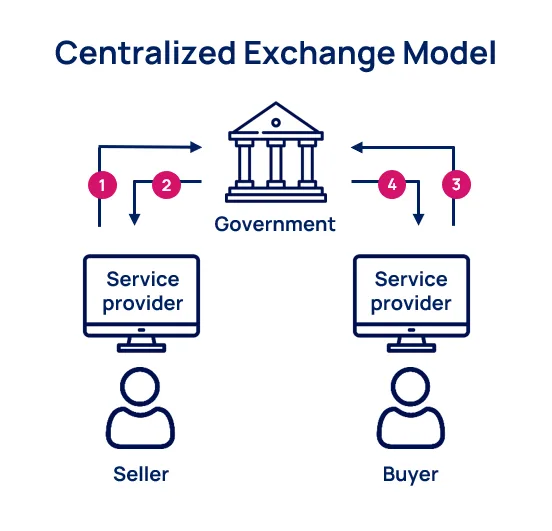
Italy implemented e-invoicing for both businesses and consumers through its Sistema di Interscambio (SdI) platform. This centralized exchange requires all invoices, whether B2B or B2C, to be submitted digitally in a standardized format. 

According to independent research, the impact has been substantial: the VAT gap decreased by approximately $14 billion USD (€12.7 billion), and cross-border VAT fraud was reduced by an estimated $2.4–2.9 billion USD (€2.2–2.6 billion) in the first year of full implementation.  

Italy demonstrates that comprehensive e-invoicing, spanning both business and consumer transactions, drives measurable compliance gains

Image

Hungary — Real-Time Invoice Reporting

Hungary’s Online Számla system focuses on real-time reporting of B2B invoices, providing tax authorities with immediate visibility into transactions. 

The OECD reports that this system has contributed to a 10.7% reduction in the VAT gap, highlighting how real-time reporting improves transparency and mitigates risks, even without full clearance requirements.

Hungary shows that prompt visibility and automated reporting are effective tools for strengthening compliance

Image

Azerbaijan — B2C E-Invoicing and Cash Register Modernization

Azerbaijan implemented its B2C e-invoicing system alongside online electronic cash registers (OECRs) in 2017, targeting VAT evasion in retail and consumer transactions, which previously accounted for approximately 90% of tax violations

By 2022, the results were striking: According to traceCORE’s independent analytics, VAT revenue increased by 42%, generating an additional US $1.2 billion, e-invoice turnover grew 24%, and 83,210 OECRs captured a total turnover of US $11.5 billion (19.5 billion manats). OECRs installations grew 26.6% year-on-year, reflecting strong adoption and system maturity. 

Azerbaijan shows that digital B2C invoicing boosts tax compliance and revenue transparency.

Key Lessons Across B2B and B2C Implementations

Icon

Structured, Standardized Data

Using machine-readable formats ensures invoices can be automatically validated, processed, and analyzed, reducing errors and improving compliance.

Icon

Real-Time or Near-Real-Time Reporting

Immediate visibility into transactions allows tax authorities to detect anomalies and reduces opportunities for evasion.

Icon

Integration with Business Systems

Connecting e-invoicing to ERP, accounting, and POS systems streamlines workflows and minimizes administrative burden.

Icon

Phased Rollouts

Starting with large taxpayers or selected sectors builds system stability and helps businesses adapt before full-scale adoption.

Icon

Clear Legal Framework and Enforcement

Regulations must be precise, enforceable, and supported by technical guidance to ensure consistent compliance.

Icon

Scalability for B2B and B2C Contexts

Successful systems are designed to handle both business-to-business and business-to-consumer transactions, enabling comprehensive coverage and measurable revenue gains.

To learn more about different approaches to e-invoicing implementation, read this post

 
traceCORE Solutions: Making Proven E-Invoicing Practices Real 

For governments and enterprises seeking similar outcomes, implementation does not require building infrastructure from scratch. traceCORE offers two tailored systems that have already been implemented in multiple countries. 

 
traceCORE B2B E-Invoicing 

For businesses dealing with other businesses, traceCORE B2B E-Invoicing makes compliance and efficiency effortless: 
  • Automatically generates invoices in the required structured formats. 

  • Integrates seamlessly with ERP and accounting systems, so you don’t have to overhaul your workflows. 

  • Supports clearance and real-time reporting models used in countries like Brazil, Mexico, and Italy. 

  • Validates invoices before submission, minimizing errors and reducing manual checks. 


In short, traceCORE B2B E-Invoicing turns what could be a complex regulatory headache into a smooth, automated process that ensures compliance and saves time

 
traceCORE B2C E-Invoicing 

For consumer-facing businesses, traceCORE B2C E-Invoicing helps manage high-volume transactions while staying fully compliant: 
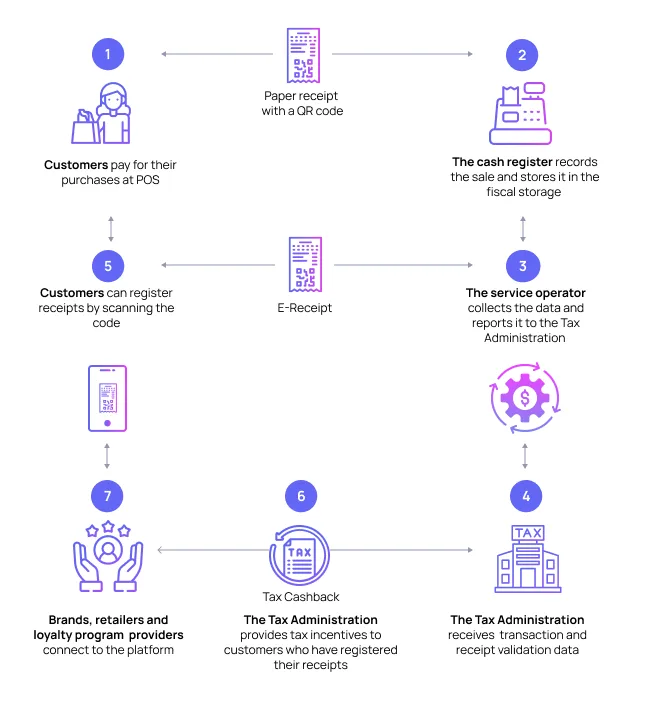
  • Generates digital receipts and structured invoices quickly and accurately. 

  • Connects to POS systems or online platforms for seamless reporting. 

  • Scales easily to handle large transaction volumes, just like Azerbaijan’s online cash register system. 

  • Provides automated reporting to tax authorities, reducing administrative effort and the risk of errors. 


Essentially, traceCORE B2C E-Invoicing helps capture revenue accurately, maintain transparency, and comply with regulations, all without slowing down daily operations. 

 
Conclusion: Turning Global E-Invoicing Success into Local Advantage 

The experiences of Brazil, Mexico, Italy, Hungary, and Azerbaijan show that e-invoicing is a proven tool for revenue growth, compliance, and transparency. Whether it’s B2B transactions between companies or B2C interactions with consumers, structured digital invoices make it easier to track, report, and manage tax obligations effectively. 

For organizations looking to implement these practices locally, the key is combining technology, integration, and regulatory alignment. That’s exactly what traceCORE’s B2B and B2C e-invoicing solutions deliver: seamless automation, accurate reporting, and scalable compliance that mirrors the successes seen in global markets. 

#shadow economy #tax collection #e-invoicing #electronic invoice #digital invoice #VAT invoice #digital taxation #VAT collection #fiscal control #tax evasion #VAT fraud #e-invoicing models

Related Posts

All posts
Top