Track and Trace for Governments
How Should Manufacturers Work with a Track and Trace System?

In today’s global economy, governments and brands face rising pressures from regulatory compliance, quality expectations, and the risk of counterfeit goods undermining trust and safety.
For manufacturers, embracing track and trace isn’t just a future-friendly add-on, as it’s essential for operational resilience, supply chain transparency, and legal compliance. But implementing a track and trace system effectively requires more than putting stickers on products or boxes; it means rethinking processes across the lifecycle of your products.
This post walks through best practices manufacturers should follow when integrating a modern track and trace system, and why choosing the right solution, such as traceCORE Digital Track and Trace, can make all the difference.
Understanding What Track and Trace Means
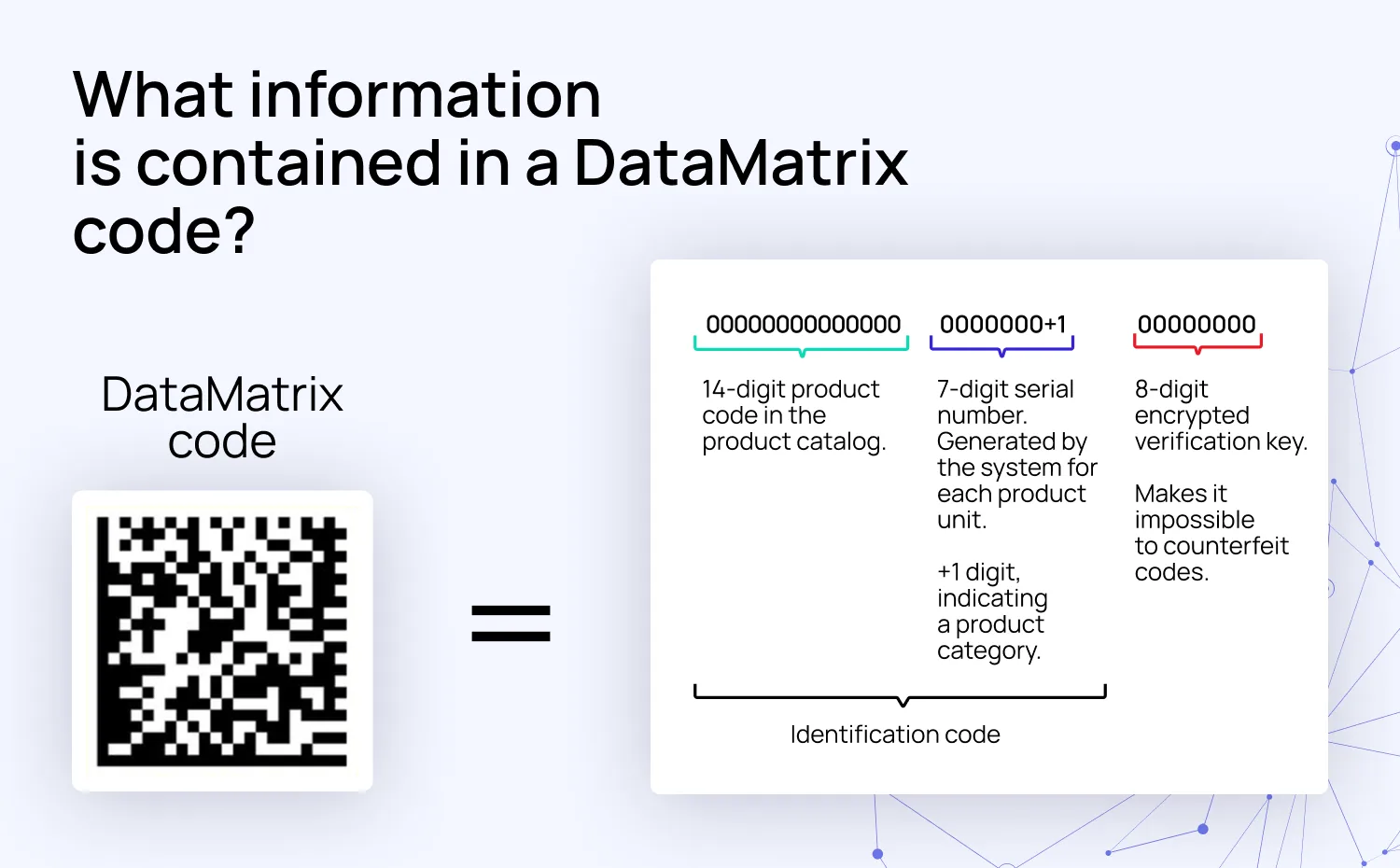
At its core, a track and trace system captures and records where a product is, and what has happened to it across production and supply — from raw materials to final delivery. It assigns unique identifiers (DataMatrix codes) to every batch or unit, allowing real-time monitoring and data capture throughout manufacturing.
For manufacturers, this visibility:
-
Reduces the risk of defective products reaching customers
-
Enables swift and targeted recalls
-
Helps pinpoint quality issues down to the batch or lot
-
Strengthens compliance with regulatory frameworks
-
Improves coordination with suppliers and logistics partners
.webp)
Integrating With Production Processes
The success of track and trace hinges on integration. A system that can communicate with your existing ERP, MES, and quality management tools ensures that data flows without friction. Look for solutions with open APIs or robust connectors, so traceability is built into workflows, not bolted as an afterthought.
By doing this, manufacturers maintain operational continuity while gaining real-time visibility into the production line, accurate records of product genealogy, and automated data capture that eliminates manual errors.
Explaining How It Works to Teams
Technology is only as good as the people who use it. Early engagement, clear training and transparent communication about why track and trace matters help teams across the floor see its value — from quality engineers to line operators.
Best practices include hands-on training for scanners and terminals, contextual sessions tying traceability to product safety, and champions within teams to reinforce usage norms.
This not only ensures adoption but also turns trace data into actionable insights for continuous improvement.
Manufacturer Steps in a Track and Trace System
An effective track and trace system is built on structured registration, secure code generation, controlled aggregation, and transparent product movement.
Using traceCORE Digital Track and Trace, let’s walk through the actual steps that manufacturers must take when working with a track and trace system.
1. Registration and Identification
Before operating within the track and trace ecosystem, a manufacturer or importer must:
-
Register with their local GS1 representative
-
Obtain a Global Trade Item Number (GTIN) for each product
-
Obtain a Global Location Number (GLN) for the production site
These identifiers ensure standardized product and location recognition across global supply chains.
To join the track and trace system, the company completes a registration form on the web platform. Once verified, authorization credentials are sent via email.
2. User Authorization and Access Levels
After authorization, users gain access to a personal account within the system.
System functionality depends on the assigned access level:
-
Director – Can manage the company profile, add employees, and register production sites.
-
Head Company – Can access consolidated data from all branches.
-
Branch Users – Access is limited to their operational scope.
This role-based structure ensures secure governance and controlled data visibility.
3. Product Register and Database Configuration
The Product Register contains a full list of products approved for release and marking code ordering.
Each product group’s attributes, such as packaging level, classification, and regulatory requirements, are predefined within the database. This ensures standardized data entry and compliance consistency.
4. Ordering and Generating Marking Codes
Manufacturers place orders for marking codes only for products authorized for release.
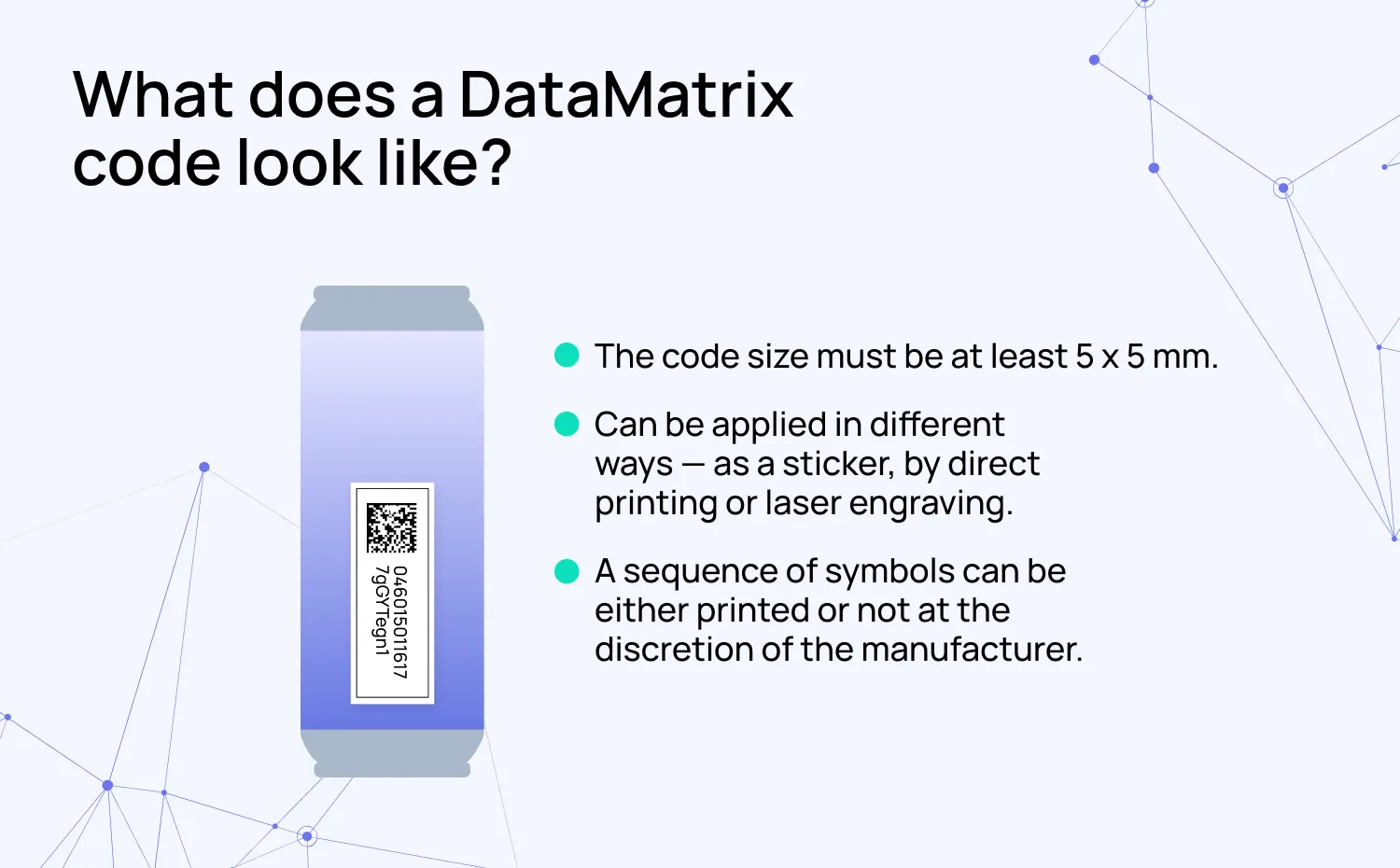
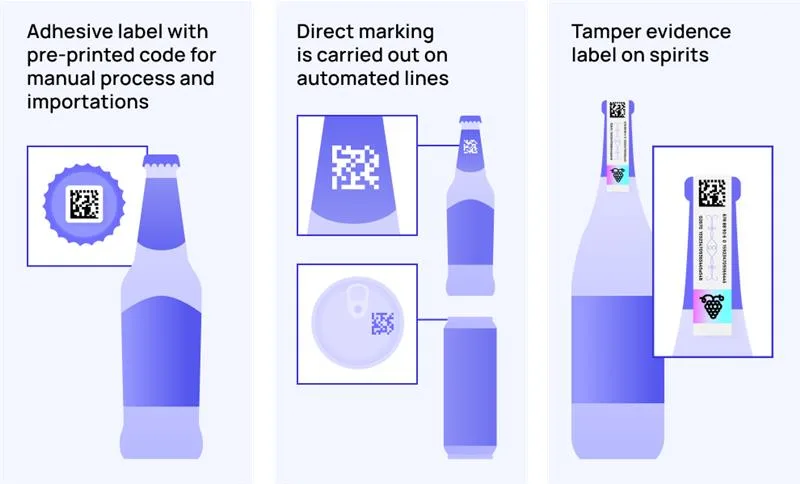
Once requested, codes are generated automatically by the system and can be downloaded in XLS, PDF, or CSV formats. Each product unit receives a unique DataMatrix code.
Affixing the DataMatrix code to the product is mandatory before the product can be introduced into circulation.
5. Aggregation of Codes
After marking individual units, manufacturers can aggregate product codes into higher packaging levels.
The system supports up to 10 levels of aggregation. Aggregation simplifies logistics tracking and bulk shipment verification.
6. E-Invoicing and Supply Chain Tracking
Before shipping marked goods, the seller creates an electronic invoice within the system.
The invoice includes such details as buyer and seller information, marked product identifiers, as well as packaging and aggregation data.
Electronic invoicing is fundamental to tracking the product’s journey from manufacturer or importer to the final point of sale.

Aligning With Regulatory and Market Requirements
Different jurisdictions, especially in excise-taxed sectors like tobacco, pharmaceuticals or FMCG, have increasingly stringent traceability mandates.
Joining a system that complies with both local laws and global standards protects manufacturers from penalties and opens access to broader markets.
Look for capabilities like:
-
Aggregation at multiple packaging levels
-
Secure, anti-tamper identifiers
-
Interoperability with government audit or verification systems
Using Trace Data to Drive Operational Decisions
Once live, a track and trace system becomes more than a compliance tool. Trace data can reveal bottlenecks, forecast demand patterns, and expose quality improvement opportunities down to specific processes or vendors.
Manufacturers can optimize inventory based on real usage trends, implement smarter strategies, and strengthen supplier performance metrics.
Implementing effective traceability transforms raw data into strategic intelligence.
Why Choose traceCORE Digital Track and Trace?
Not all track and trace systems are created equal. traceCORE Digital Track and Trace is built to help governments and manufacturers collaborate within a secure, scalable infrastructure.
traceCORE delivers:
-
Unique, fraud-resistant product codes
-
Real-time supply chain monitoring visible to the government
-
Open API compatibility for system integration
-
Tools that protect brands, support audits and reduce illicit trade risks
Whether you’re scaling exports, operating in highly regulated industries, or simply striving for greater transparency, traceCORE provides the flexibility to grow without disrupting operations.
For more information about traceCORE Digital Track and Trace, please visit this page.

Conclusion
For manufacturers, working with a track and trace system isn’t just about ticking regulatory boxes — it’s about strengthening control over your products from day one to delivery. From embedding traceability deeply into production to harnessing real-time data for smarter decisions, the right strategy and the right platform unlock value across quality, compliance, and customer confidence.
If you’re ready to move beyond manual logs and fragmented systems toward a digital future built on transparency and trust, traceCORE Digital Track and Trace could be the partner your operations need.