
Gambling Taxation Solution
Enhancing Transparency and Revenue Collection in the Gambling Sector

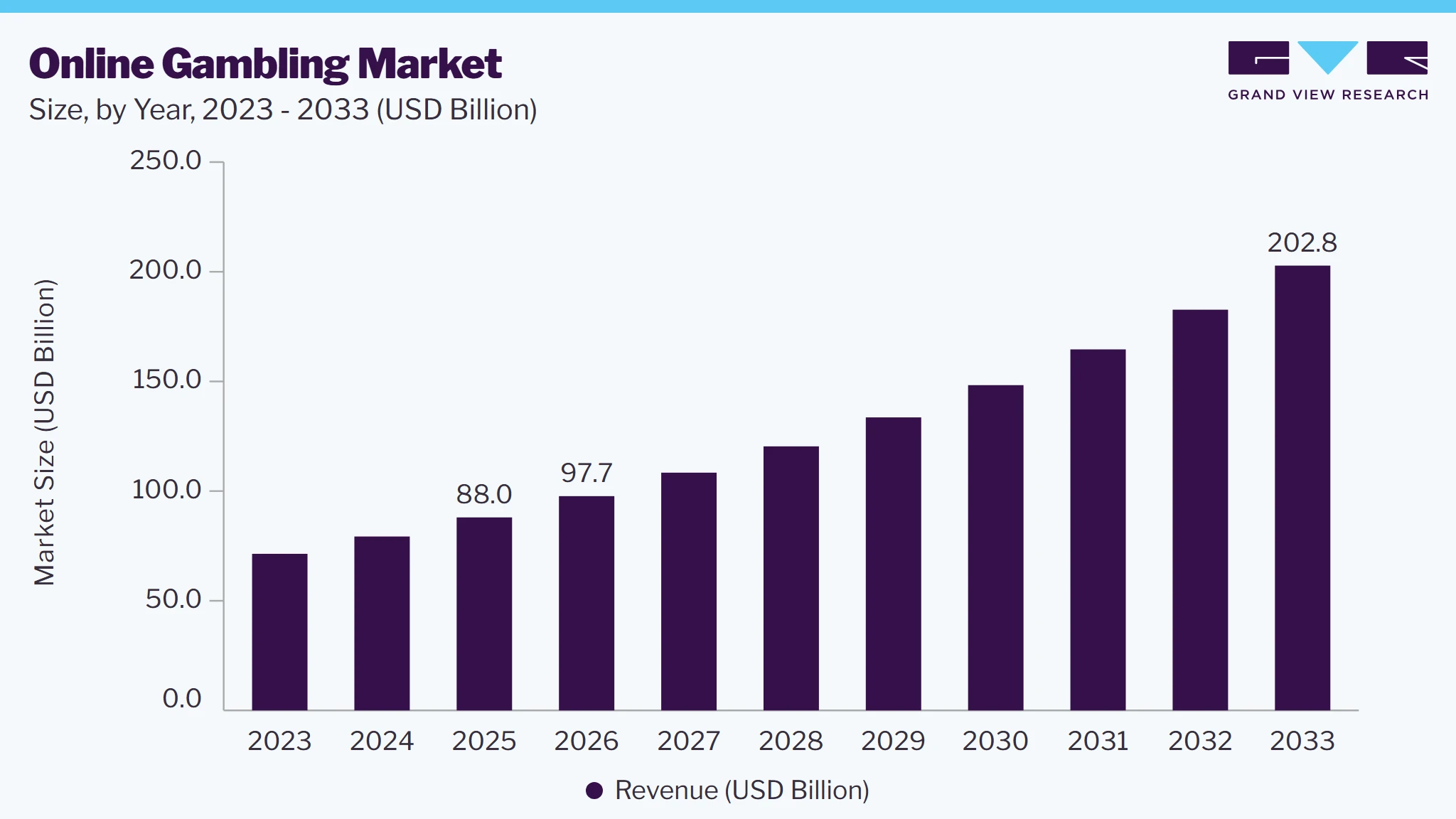
The global gambling industry is growing at an unprecedented pace. Driven by mobile technology, digital payments, and increasing internet penetration, online gambling has become one of the fastest-expanding digital sectors worldwide. According to Grand View Research, the global online gambling market was valued at approximately US$78.66 billion in 2024 and is projected to reach US$153.57 billion by 2030, nearly doubling in size within six yearsю
For governments, this rapid expansion presents a significant opportunity to increase public revenues. Yet in many jurisdictions, tax collections have failed to keep pace with the industry's growth. While gambling operators generate increasing profits, tax authorities often struggle to verify reported revenues, monitor cross-border transactions, and ensure compliance across a highly digitalized ecosystem.
The result is a growing tax gap that deprives governments of resources that could otherwise be invested in healthcare, education, infrastructure, and public services.
In this post, we examine the growing gambling tax gap and explore how governments can improve transparency, strengthen compliance, and increase revenue collection through digital tax administration and comprehensive tools like traceCORE Gambling Taxation Solution.
The Scale of the Problem
The challenge extends far beyond administrative inefficiencies.
Online gambling platforms can process millions of transactions daily, often across multiple jurisdictions and payment systems.
Traditional tax administration models frequently rely on operator-submitted reports, which can make independent verification difficult. As gambling ecosystems become more complex, regulators are finding it increasingly challenging to maintain visibility into the full chain of revenue generation.
The financial impact is substantial. Research commissioned by the European Casino Association found that illegal online gambling continues to capture a significant share of the European market, diverting billions of euros away from regulated operators and government tax systems. Similar concerns are emerging across Asia, Africa, and Latin America, where digital gambling markets are expanding faster than regulatory frameworks can adapt.
In the United Kingdom alone, estimates cited by The Guardian suggest that consumers spend billions annually through unlicensed gambling channels, creating a shadow economy that operates largely outside government oversight.

When gambling revenues go untaxed or underreported, the consequences extend beyond lost revenue. Governments lose visibility into market activity, regulators face greater difficulty identifying illegal operators, and financial intelligence units encounter additional challenges detecting suspicious transactions and money laundering risks.
In short, every dollar that escapes taxation represents not only lost public revenue but also a lost opportunity for regulatory oversight.
How Much Revenue Are Governments Losing?
The true scale of gambling tax leakage is difficult to measure precisely, which is part of the problem. By its nature, unreported or illegal gambling activity operates outside official oversight. However, available data suggests that governments around the world are missing out on billions in potential tax revenue every year.
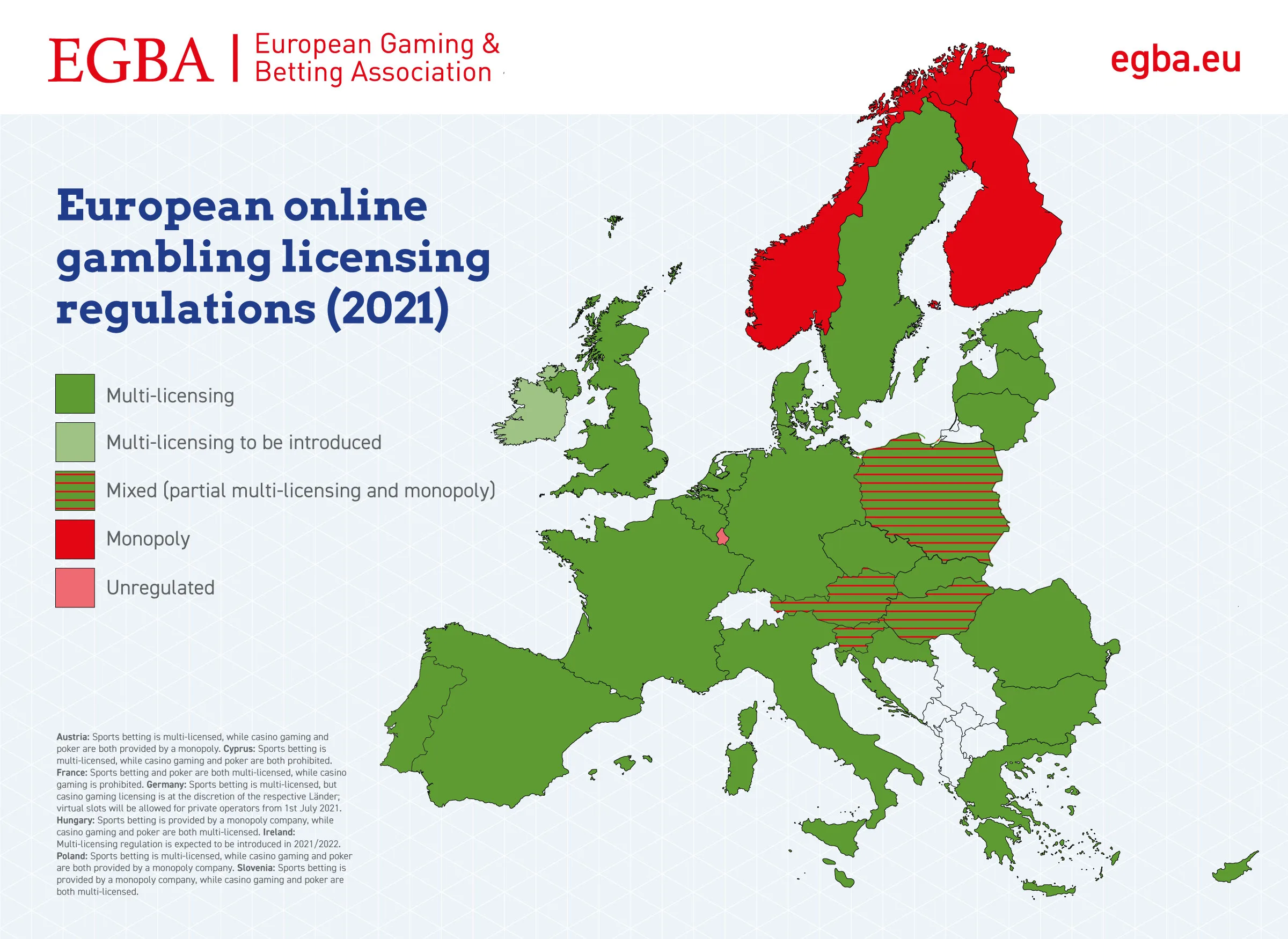
In Europe, the challenge is particularly evident. Research commissioned by the European Casino Association has highlighted the growing presence of illegal online gambling operators across several European markets. These operators often provide services without local licenses, meaning their revenues frequently fall outside national tax systems altogether. According to the association, the illegal market is estimated to generate tens of billions of euros annually, depriving governments of significant tax income while undermining consumer protection and regulatory oversight.
Across Africa, governments are increasingly reviewing gambling taxation policies as betting activity grows rapidly, particularly through mobile platforms. A Reuters report highlighted how several African countries have moved to strengthen oversight and increase gambling taxes amid concerns that existing regulatory frameworks are struggling to capture the full value generated by the sector.
Emerging markets face an especially difficult balancing act. On one hand, online gambling can generate substantial economic activity and tax revenue. On the other, regulatory systems often struggle to keep pace with the speed at which digital gambling platforms expand. Without effective monitoring and data-sharing mechanisms, authorities can find themselves dependent on self-reported figures with limited ability to independently verify the underlying transactions.

The financial consequences extend far beyond lost tax receipts. Undertaxed gambling reduces the funds available for public services, infrastructure projects, healthcare systems, education programs, and social initiatives. At the same time, gaps in oversight can create opportunities for financial crime, money laundering, and illegal market activity, increasing the burden on regulators and law enforcement agencies.
As online gambling revenues continue to grow globally, the cost of inaction grows alongside them. For governments, improving transparency is now a matter of protecting public revenues, strengthening regulatory control, and ensuring that a rapidly expanding industry contributes its fair share to society.
Why Legacy Tax Administration Models Are Struggling
Many tax authorities still rely on reporting frameworks designed for traditional gambling environments. These systems were created when gambling activity was largely concentrated in physical venues and transaction volumes were relatively manageable.
Today's reality is fundamentally different. Digital gambling generates a constant stream of deposits, withdrawals, wagers, winnings, bonuses, and promotional transactions. Now, tax authorities need access to reliable, structured, and verifiable data that allows them to understand how taxable revenue is generated.
Without such visibility, governments are often left auditing outcomes rather than monitoring the underlying activities that create tax liabilities in the first place.
As gambling markets continue to evolve, governments are increasingly recognizing the need for digital-first tax administration frameworks capable of supporting real-time oversight and automated compliance.

Building Transparency Through Digital Tax Administration
The most effective way to close the gambling tax gap is to establish direct, standardized data exchange between gambling operators and government institutions.
A modern digital taxation framework enables tax obligations to be calculated using actual transaction data rather than relying exclusively on operator declarations. This approach provides governments with a verifiable audit trail showing how the tax base was formed, significantly reducing opportunities for underreporting, calculation errors, or manipulation.

Beyond tax collection, such systems create a foundation for stronger regulatory oversight. Regulators gain access to accurate market statistics, financial monitoring units receive better visibility into potentially suspicious activities, and policymakers can make decisions based on comprehensive industry data rather than fragmented reporting.
The result is greater transparency, improved compliance, and more effective governance of the gambling sector.
The Importance of Integrated AML and Risk Monitoring
Tax administration and financial crime prevention are increasingly interconnected.
The gambling sector has long been identified by international regulators as a higher-risk environment for money laundering due to the large volume of financial transactions and the ease with which funds can move across borders. As online gambling continues to expand, governments need tools that can identify unusual transaction patterns, assess risk indicators, and support anti-money laundering investigations.
Embedding AML and KYC capabilities directly within gambling taxation systems allows authorities to move from reactive enforcement toward proactive risk detection. Rather than waiting for suspicious activities to be reported, governments can identify patterns as they emerge and share relevant intelligence with authorized agencies.
This integrated approach strengthens both tax compliance and financial integrity.

Why traceCORE Gambling Taxation Solution is Great for Modern Gambling Markets
As governments seek to modernize gambling oversight, many are moving toward centralized digital platforms capable of supporting tax administration, regulatory supervision, and financial monitoring within a single ecosystem.
traceCORE Gambling Taxation Solution was developed specifically to address these challenges. Designed as an interdepartmental government platform, it transforms gambling tax administration into a fully digital process where tax obligations are formed using verifiable fiscal data rather than relying solely on operator reports.
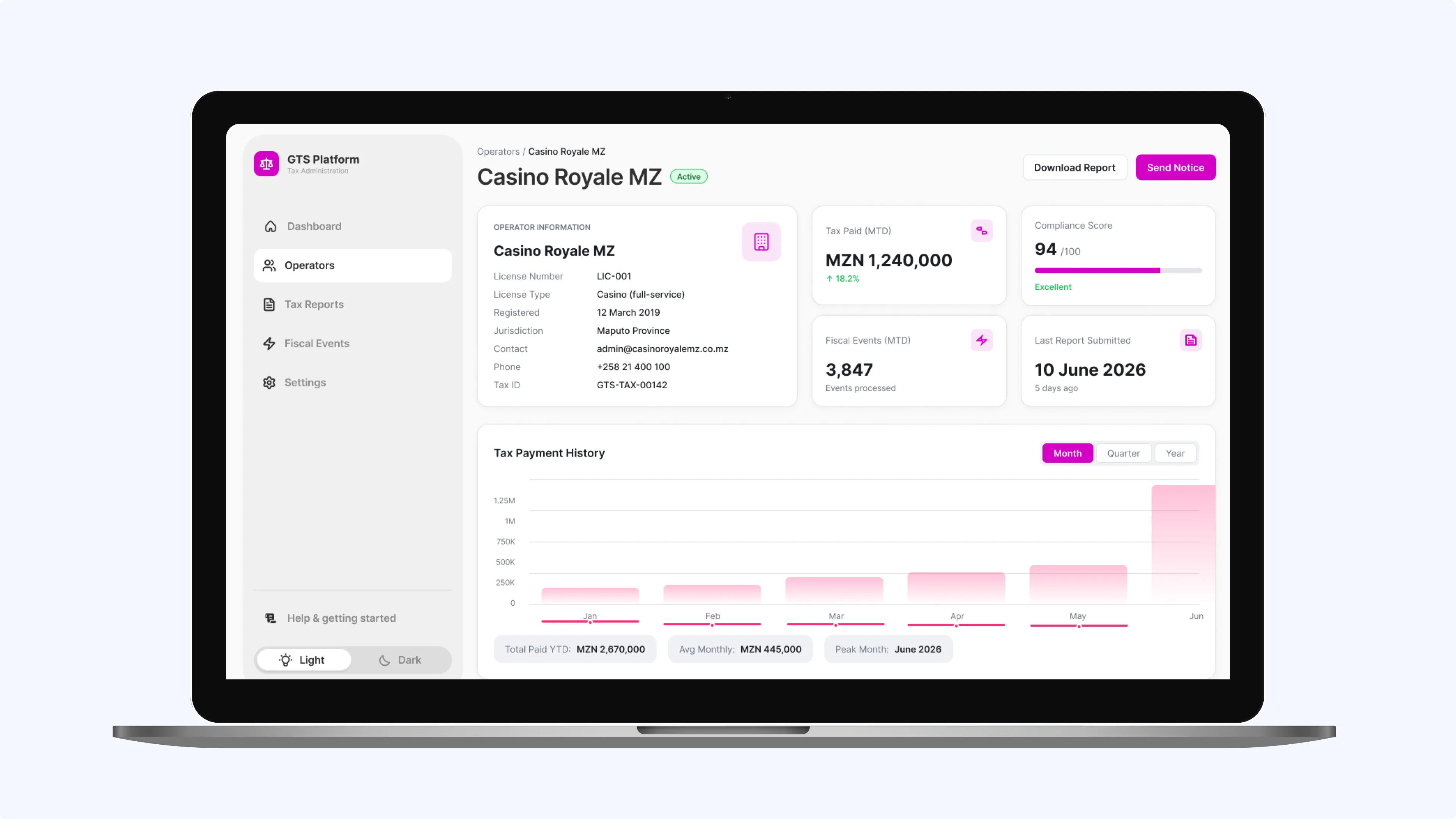
Through a unified interaction framework, the platform connects gambling operators, tax authorities, regulators, financial monitoring units, and other authorized government agencies. Operators transmit primary transactional data through a secure exchange interface, while the platform automatically performs fiscal processing, calculates taxes, generates accounting records, and distributes relevant information to the appropriate authorities.
This creates something many governments currently lack: a transparent, end-to-end view of how gambling tax liabilities are generated.

How traceCORE Gambling Taxation Solution Delivers Benefits Across the Entire Ecosystem
For governments, the platform helps identify revenue gaps, improve tax collection, strengthen oversight, and create a reliable source of industry statistics. Centralized tax calculation reduces the risk of inconsistent reporting while structured data provides greater transparency into wagers, winnings, bonuses, deposits, withdrawals, and tax obligations.
For gambling operators, streamlined reporting processes reduce administrative burdens and simplify compliance with regulatory requirements. Access to standardized digital infrastructure also creates efficiencies in interactions with government agencies while supporting better business intelligence and analytics.
Players benefit from increased transparency and stronger protections. Transaction tracking helps promote fairness and integrity across gambling activities, while integrated compliance mechanisms support efforts to combat fraud, illegal gambling operations, and financial crime.

If you're exploring digital transformation initiatives in your country and would like expert guidance on the best path forward, our team is here to help. Contact us to learn more about our Advisory Support services and how we can support your transformation journey.

The Future of Gambling Taxation
The online gambling industry is expected to continue its rapid expansion throughout the coming decade. The question facing governments is no longer whether gambling should be taxed more effectively, but how to ensure tax administration keeps pace with technological change.
Jurisdictions that continue relying on fragmented reporting models risk leaving substantial revenues uncollected while limiting their ability to monitor market activity and financial risks. Those that embrace digital tax administration will be better positioned to capture legitimate revenues, strengthen regulatory oversight, and improve transparency across the gambling ecosystem.
Solutions such as traceCORE Gambling Taxation Solution provide governments with the tools needed to achieve these goals, creating a foundation for more transparent, accountable, and efficient gambling regulation in an increasingly digital world.