Advisory
Unlocking Madagascar’s Economic Potential Through National Digital Infrastructure

With a population of 30.6 million, Madagascar stands at a pivotal moment in its economic development. The country possesses significant natural resources, a strategic geographic location, and a young, growing workforce. Yet despite this potential, structural inefficiencies in taxation, labor formalization, and illicit economic activity continue to constrain growth and government revenue.
A national digital infrastructure strategy offers Madagascar a transformative opportunity: to modernize governance, enhance fiscal transparency, and unlock sustainable economic expansion. By deploying integrated digital solutions like the ones provided by traceCORE, the government can address some of its most pressing challenges — illicit trade and financial flows, a substantial VAT gap, widespread informal employment, and illegal mobile activity.
The Challenge of Illicit Trade in Excise Goods
Illicit trade remains a major drain on Madagascar’s economy, particularly in high-tax excise categories such as cigarettes, alcohol, and pharmaceuticals.
According to the Organized Crime Index, illegal cigarettes are identified as the most commonly trafficked illicit excise product in the country, with smuggling occurring through maritime and air cargo channels. This undermines both public health policies and government revenues. WHO also reports that high excise taxes on cigarettes (around 80% of retail price) can motivate both smuggling and consumer shift to untaxed or informal products, especially when enforcement is weak.
Similarly, alcohol and pharmaceutical products are subject to evasion schemes due to high excise duties in Madagascar, which can reach up to 325% depending on the product. Local pharmacists in the country have warned that counterfeit medicines are being sold outside official pharmacies, especially in informal markets and via social media channels.
These illicit flows erode tax collection, distort fair market competition, and strengthen organized criminal networks.
Securing Supply Chains Through Digital Track and Trace
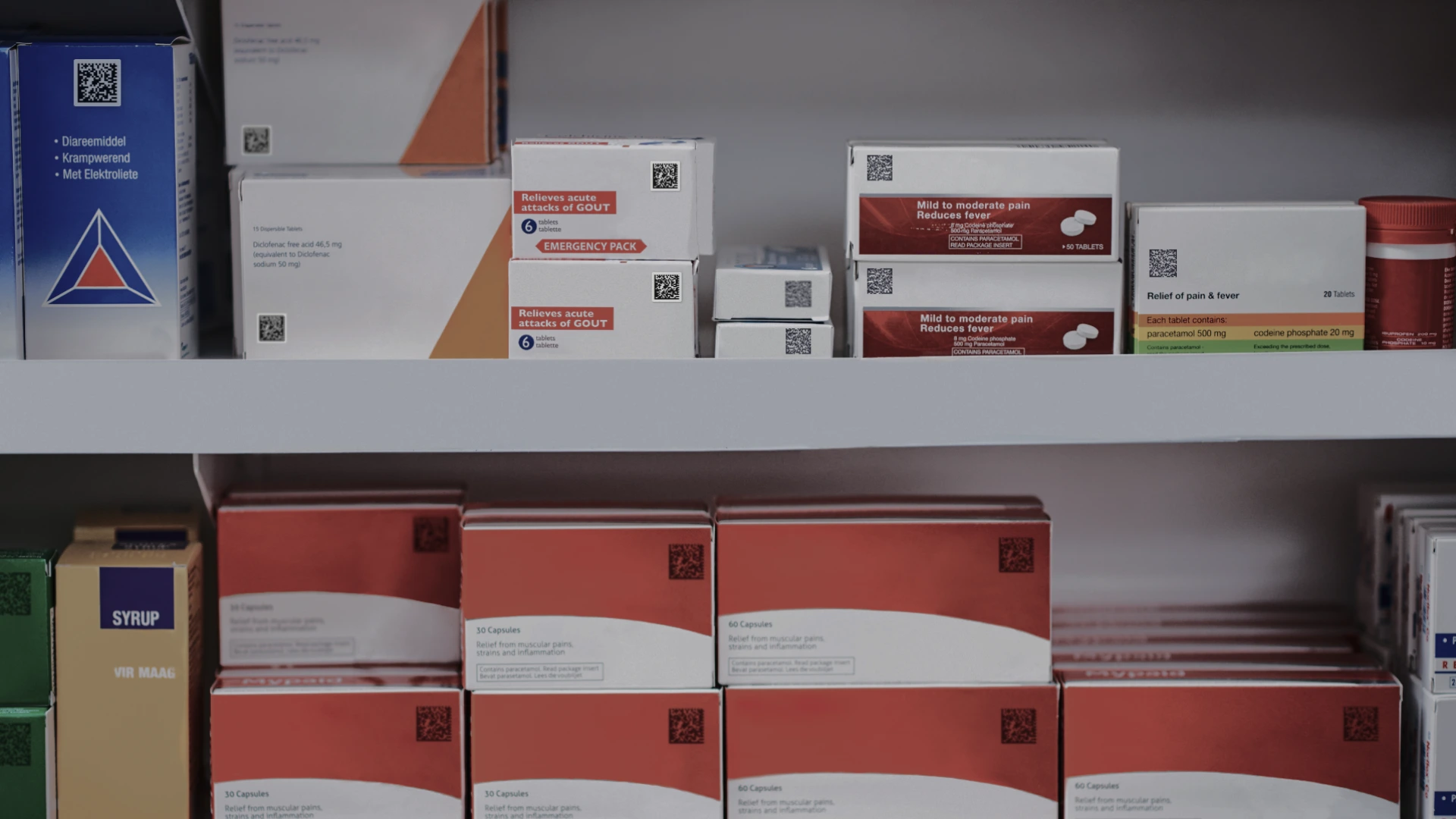
Securing supply chains through digital track and trace systems is a powerful way to combat illicit trade and improve transparency. By using solutions like traceCORE Digital Track and Trace, companies can monitor products at every stage of their journey, from manufacturing to final delivery.
This real-time visibility helps detect irregularities, prevent counterfeiting, and ensure compliance with regulations, ultimately strengthening the integrity and reliability of the entire supply chain.
If the Government of Madagascar implemented traceCORE Digital Track and Trace across the tobacco, alcohol, and pharmaceutical sectors, it could generate an estimated additional US $143 million in annual revenue, according to traceCORE’s analytics based on open data provided by Statista.
Closing the VAT Gap
Madagascar’s tax system relies heavily on VAT and import duties as primary revenue sources. However, inefficiencies in compliance, reporting, and enforcement have resulted in a VAT gap estimated at 70% — one of the highest globally.
This gap reflects underreporting of sales, weak invoice verification systems, and limited audit capacity.
Driving Compliance with Real-Time Transaction Visibility
Implementing a real-time B2B and B2C electronic invoicing (e-invoicing) systems like the ones offered by traceCORE can dramatically improve VAT collection. Key capabilities include:
-
Automated transaction reporting to tax authorities
-
Data-driven audit selection
-
Fraud detection through AI analytics
Such systems not only increase compliance but also reduce administrative burdens for businesses, fostering a more transparent and efficient tax ecosystem.
Based on publicly available data, Madagascar loses an estimated US $1.54 billion in VAT revenue each year.
By implementing traceCORE B2B and B2C E-Invoicing, the government could significantly reduce the VAT gap to as low as 5%, unlocking up to US $1.43 billion in additional annual revenue while strengthening tax compliance and economic transparency.

Tackling Informal Employment
Informality is one of the defining features of Madagascar’s economy. Estimates provided by the IMF indicate that up to 96% of total employment is informal, limiting productivity and reducing tax revenues.
This high level of informal employment restricts access to social protections, suppresses income tax collection, and limits economic data visibility for policymaking.
Enabling Formalization Through Inclusive Digital Solutions
Digital transformation tools can play a critical role in formalizing economic activity.
traceCORE Self-Employment Tax Solution streamlines the taxation of self-employed workers by simplifying registration, automating tax calculations, and enabling easy invoicing and payment. It also supports agent-based transactions through platforms and marketplaces, ensuring accurate reporting across the digital economy.
When paired with a simplified tax regime — such as a recommended 5% self-employment tax — the solution encourages voluntary compliance while reducing administrative burden. By making compliance more accessible and affordable, the government of Madagascar could encourage up to 4.04 million individuals to transition into the formal sector.
This shift would not only expand economic inclusion but also strengthen public finances, with projections suggesting an additional US $202.3 million in annual tax revenue.

Harnessing VAT Potential with Mobile Transaction Tracking
One of the most promising opportunities lies in improving VAT collection through tracking and analyzing mobile transactions. Such advanced digital tools as traceCORE Mobile Transaction Tracking enable real-time monitoring and recording of mobile-based commercial transactions, ensuring that taxable activities are properly captured and reported.
Mobile money usage continues to expand rapidly in Madagascar, and integrating such a system could dramatically reduce underreporting and tax evasion. traceCORE estimates based on open data suggest that implementing a robust mobile transaction tracking platform could generate up to US $152 million annually in additional VAT revenue.
Beyond revenue gains, this approach also enhances fiscal transparency, builds trust in the tax system, and creates a more level playing field for businesses.

Strengthening Compliance with Mobile Device Legality Control
Another critical area of opportunity is the regulation of mobile devices entering and circulating within the country. traceCORE Mobile Device Legality Control provides a centralized system to verify, register, and monitor mobile devices, ensuring that all devices in use comply with national regulations and have paid the necessary import duties and registration fees.
By addressing the widespread issue of unregistered or illegally imported devices, Madagascar could unlock an estimated US $84.4 million annually in registration fees and associated VAT, according to traceCORE’s analytics based on open data.
This system not only boosts government revenue but also enhances consumer protection, reduces fraud, and supports national security efforts by maintaining a verified database of active devices.

Building a Unified National Digital Infrastructure
To maximize impact, digital transformation solutions must not operate in isolation. Madagascar’s success depends on a holistic, interoperable digital ecosystem that connects tax authorities, customs and border control, business registries and financial institutions.
The core components include national data exchange platforms, secure digital identity systems, cloud-based government services, and advanced analytics to support informed decision-making.
If you are wondering where your country could start its digital transformation, check out this post prepared by traceCORE CEO Alexander Makarov where he elaborated on this subject in detail.

Conclusion
Madagascar’s economic challenges are significant — but so is its potential. Illicit trade, tax inefficiencies, and informality are not insurmountable barriers; they are signals of where transformation is most needed.
By investing in national digital infrastructure, Madagascar can strengthen revenue mobilization, enhance economic transparency, and foster inclusive growth.
The path forward is clear: digital transformation is a prerequisite for unlocking Madagascar’s full economic potential.